


Soldiers Jailed in Rare Conviction After Massacre of 21 Civilians in Cameroon’s Anglophone Crisis
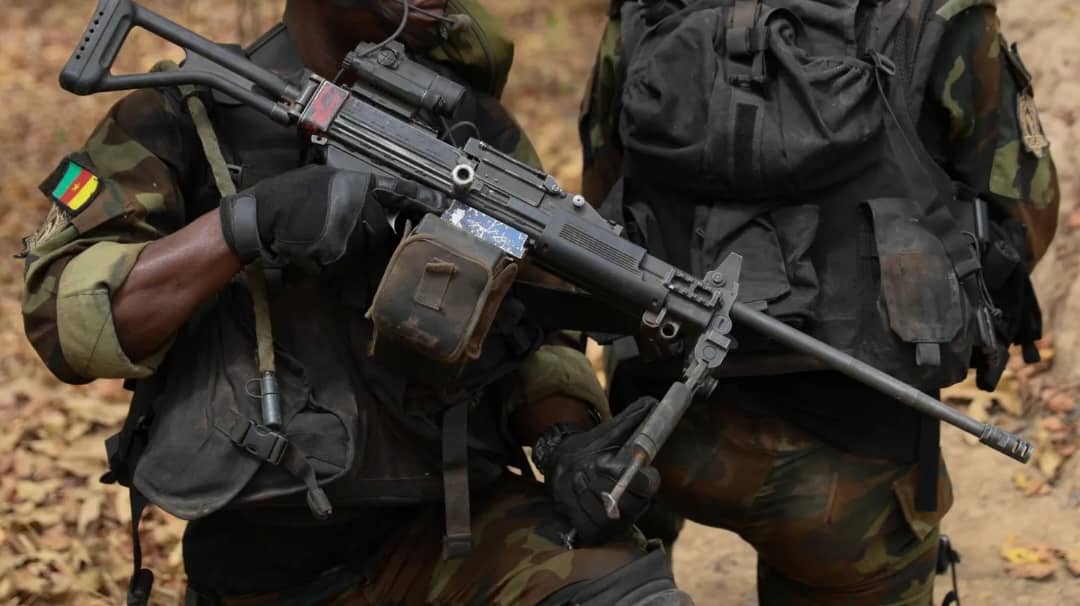
Three Cameroonian soldiers and a local militia member have been handed prison terms after a military court found them guilty of murder, arson and destruction for their roles in the February 14, 2020 raid on the village of Ngarbuh in the Northwest region. The convictions — among the few criminal penalties imposed on state forces in Cameroon’s decade-long Anglophone conflict — carry sentences ranging from five to 10 years.
The court concluded the defendants participated in an operation, supported by an ethnic Fulani militia, that left at least 21 civilians dead, including children. Human Rights Watch and local accounts said 13 of the victims were children. Witnesses described homes set ablaze and survivors beaten during the attack.
The Ngarbuh massacre prompted rare public acknowledgement from Yaoundé after initial official denials. Under mounting international pressure and following an inquiry mandated by President Paul Biya, the government reversed its stance and allowed the military trial to proceed. Nonetheless, human rights advocates and victims’ families have criticized both the scope and the outcome of the prosecution.
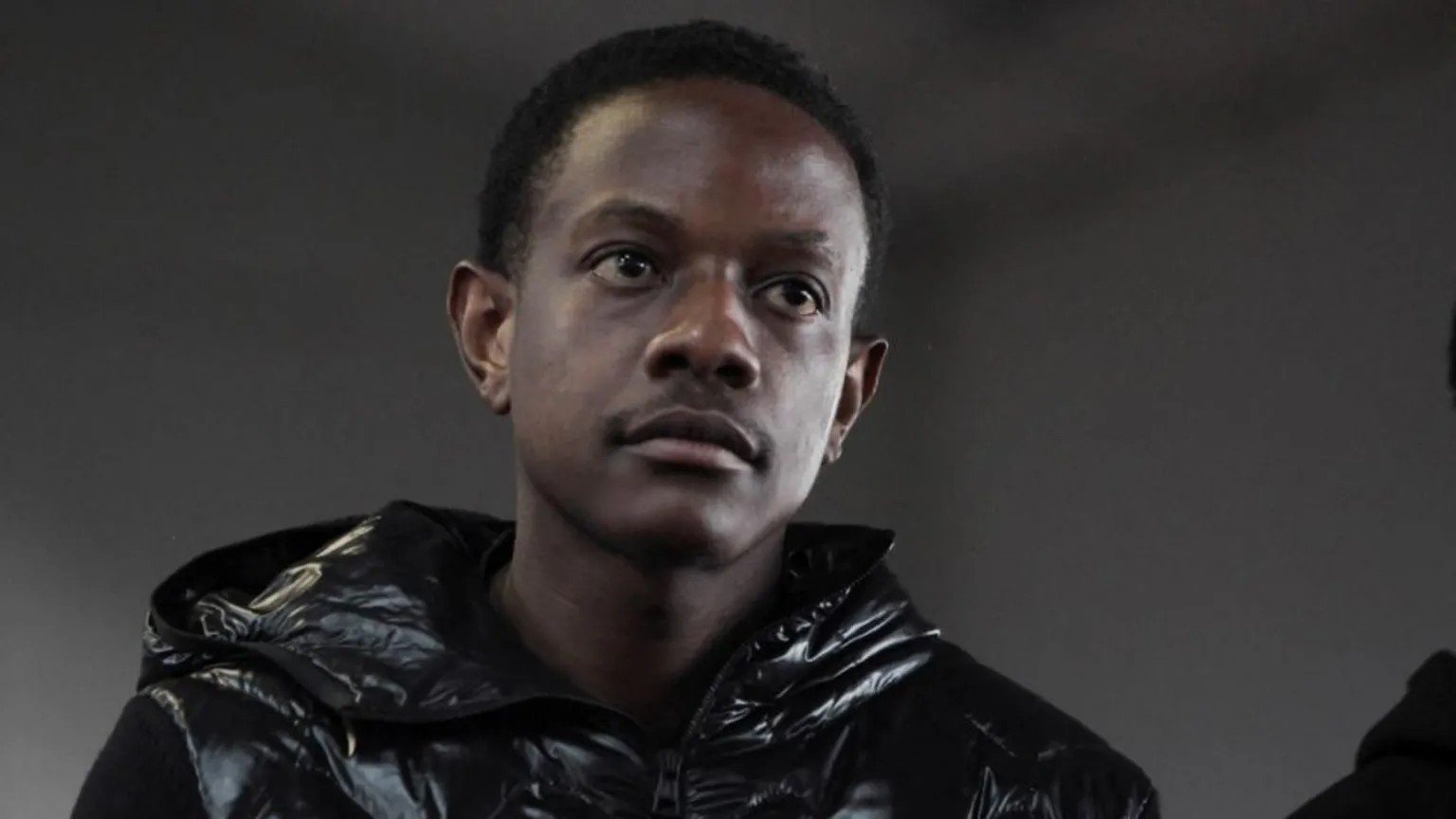
“We are talking of a massacre,” said Sother Menkem, a lawyer for the victims, calling the sentences “so mild” they could be seen as lenient. Menkem noted Cameroonian law prescribes a minimum 10-year term for felonies such as murder and arson, and said he had expected far longer terms — even 30 years or more — given the scale of the violence and the terror inflicted on the community.
The military court also rejected the victims’ demand for compensation, a decision condemned by another victims’ lawyer, Richard Tamfu. Victims’ legal representatives and Human Rights Watch have further criticized the trial for failing to probe and prosecute senior military officers, arguing the killings were carried out on orders or with the knowledge of higher-ranking officials. The prosecution’s focus on low-ranking perpetrators, they say, falls short of establishing command responsibility.
Defense lawyers argued the convicted soldiers were acting in the course of their duties. A survivor who lost multiple relatives in the attack told the BBC he needed time to come to terms with the verdict and has since relocated from the conflict-affected region for safety.
The Ngarbuh case took six years to reach resolution, with hearings repeatedly postponed. It is one of the more high-profile legal responses to the abuses that have marked the Anglophone crisis since 2017, when separatist fighters in Cameroon’s two English-speaking regions escalated a campaign for an independent state. International and local rights groups accuse both separatist groups and state security forces of widespread human rights violations during the conflict.
The United Nations estimates the decade-long violence has claimed at least 6,000 lives and displaced more than half a million people. For many observers and victims’ families, the Ngarbuh convictions represent a rare, if limited, instance of accountability — one that leaves unresolved questions about higher-level responsibility and reparations for survivors.

0 Comment(s)